
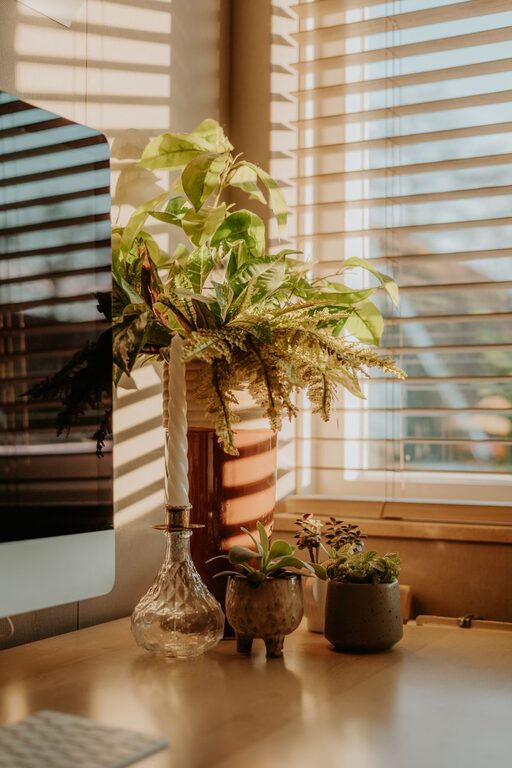
Simple Decor Tips to Create a Relaxing Home Environment
Creating a relaxing home environment is essential for unwinding and recharging after a busy day. Sometimes, the solution lies not in a complete overhaul but in small, simple decor changes that bring calmness and comfort to your space. Whether you’re living in a small apartment or a spacious house, these easy tips will help you make your home feel more peaceful and inviting.
Why a Relaxing Home Environment Matters
Your home should feel like a sanctuary where you can relax and be yourself. A calming space can reduce stress, improve your mood, and even enhance your sleep quality. With just a few thoughtful decor choices, you can create an atmosphere that promotes tranquility and well-being.
Tips for Creating a Relaxing Home Environment
1. Choose Soft, Neutral Colors
Soft, neutral colors such as light grays, beiges, creams, and pastels are known for their calming effects. These hues don’t overwhelm the senses and create a peaceful backdrop that allows you to relax.
– Paint your walls in soft tones.
– Use neutral-colored furniture or slipcovers.
– Add throw pillows and rugs in muted shades to balance the space.
2. Bring Nature Indoors
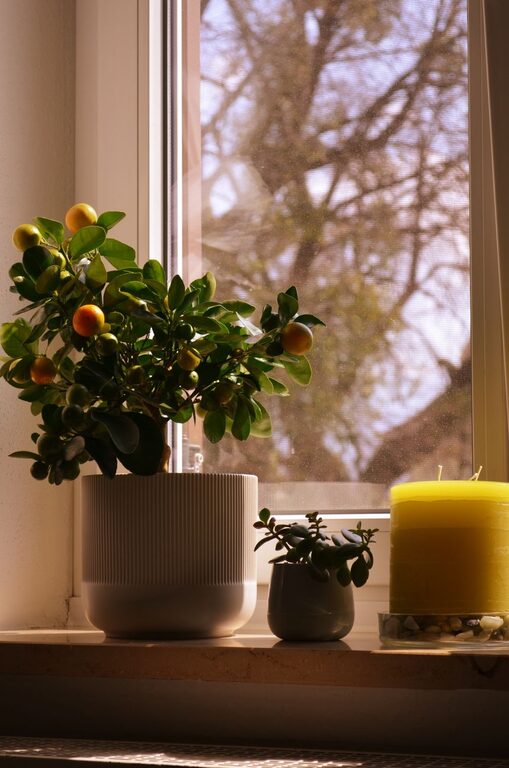
Adding elements of nature can have a soothing effect on your mind. Plants improve air quality and add life to your decor.
– Place potted plants like snake plants, peace lilies, or succulents around your home.
– Use natural materials such as wood, stone, or wicker in furniture or decor accents.
– Incorporate fresh flowers in a simple vase for a touch of color and freshness.
3. Declutter and Simplify
Clutter can contribute to stress and chaos. A tidy and organized space feels more open and peaceful.
– Keep surfaces clean and free of unnecessary items.
– Use storage baskets or boxes to hide clutter.
– Adopt a minimalist mindset by keeping only things that bring you joy or serve a purpose.
4. Use Soft Lighting
Harsh, bright lights can make spaces feel tense and uninviting. Opt for lighting that creates warmth and comfort.
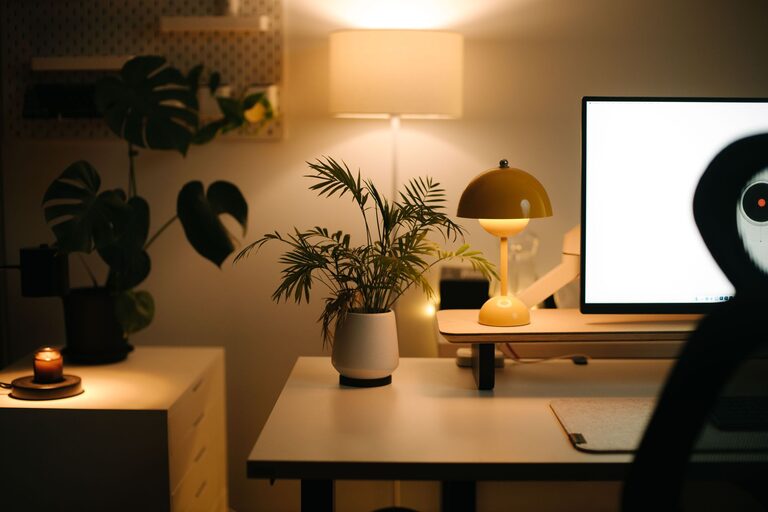
– Use lamps with warm LED bulbs instead of overhead fluorescent lights.
– Add dimmer switches so you can adjust lighting levels.
– Incorporate candles or string lights to create a cozy ambiance.
5. Choose Comfortable Textures
Comfortable fabrics and textures contribute to a sense of relaxation and warmth.
– Add plush throw blankets and soft cushions to seating areas.
– Use rugs that feel soft underfoot, especially in living rooms and bedrooms.
– Consider curtains in lightweight fabrics that gently filter sunlight.
6. Create Dedicated Relaxation Zones
Designate specific areas in your home where you can unwind without distractions.
– Set up a reading nook with a comfortable chair and good lighting.
– Create a meditation or yoga corner with minimal decor and a soft mat.
– Use noise-cancelling elements like heavy curtains or rugs to reduce outside noise.
7. Incorporate Calming Scents
Smell is closely tied to relaxation and memory. Calm scents can instantly change the mood of your space.
– Use essential oil diffusers with lavender, chamomile, or eucalyptus oils.
– Light soy or beeswax candles scented with calming fragrances.
– Place sachets with dried herbs in drawers and closets.
8. Personalize with Meaningful Decor
Decor that reflects your personality and positive memories can boost emotional well-being.
– Hang artwork or photos that make you happy or inspire calm.
– Display souvenirs or items that remind you of peaceful moments.
– Use handmade or artisanal pieces to add warmth and character.
Final Thoughts
Creating a relaxing home environment doesn’t have to be complicated or expensive. With simple decor changes that focus on color, natural elements, organization, lighting, texture, and personal touches, your home can become a peaceful haven. Start small and adjust your decor gradually to find what makes you feel most comfortable and calm.
Remember, the goal is to create a space that nurtures your peace of mind and supports your daily well-being. Enjoy the process of making your home a relaxing retreat!