
Tips for Creating a Relaxing Home Office Environment
Creating a relaxing home office environment is essential for anyone who spends a significant amount of time working from home. A calm and comfortable workspace not only enhances focus but also helps reduce stress, making your workday more enjoyable and productive. Whether you’re setting up a new office or revamping your current space, these tips will guide you to build a peaceful and efficient home office.
Choose the Right Location
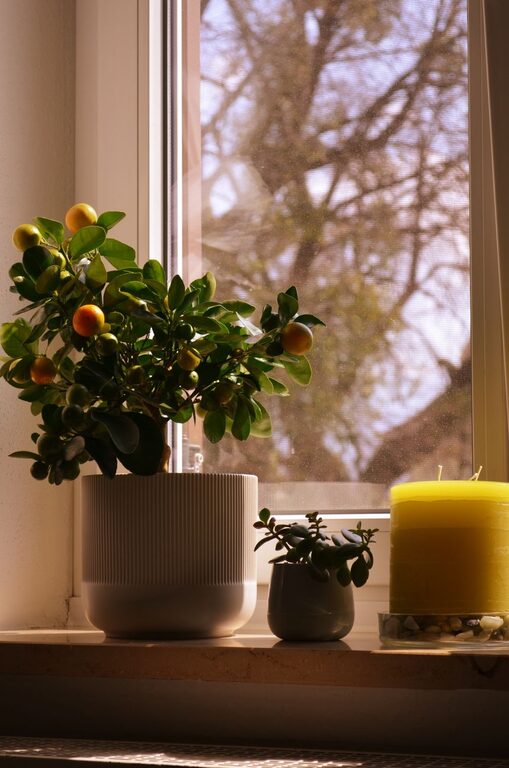
Finding the ideal spot in your home for your office can make a big difference in your work experience. Look for a quiet area where you can minimize distractions. If possible, select a space with natural light, such as near a window. Natural light helps improve mood and energy levels throughout the day.
Avoid high-traffic areas like the family room or kitchen, where noise and movement can disrupt your focus. If space is limited, consider using room dividers or curtains to create a distinct workspace that separates work from home life.
Invest in Comfortable Furniture
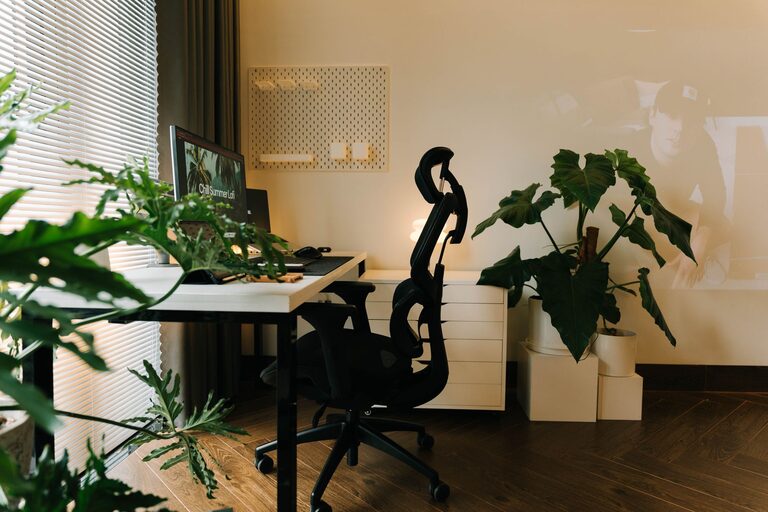
Comfort is key when setting up a productive workspace. A supportive, ergonomic chair helps prevent back pain and encourages good posture. Look for chairs with adjustable height, lumbar support, and armrests for the best fit.
Choose a desk that fits your work style and space, whether it’s a large worktable or a compact standing desk. Standing desks offer flexibility and promote movement, which can reduce fatigue. If using a standing desk, consider an anti-fatigue mat for extra comfort.
Optimize Lighting
Proper lighting reduces eye strain and helps maintain alertness. Combine natural light with adjustable artificial lighting to create the perfect balance.
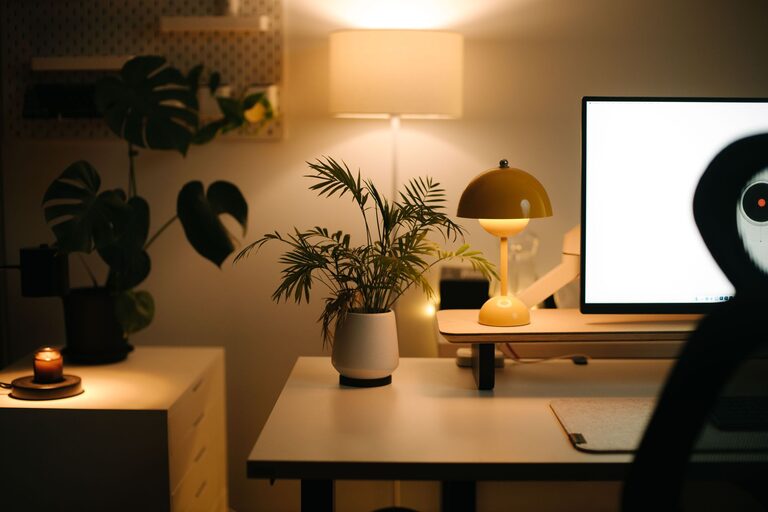
Use a desk lamp with adjustable brightness and color temperature settings to suit different tasks. For example, warmer light is relaxing, while cooler light is better for concentration. Avoid harsh overhead lighting and glare on your computer screen.
Keep Your Space Organized
A clutter-free workspace contributes to a calm mind. Use shelves, drawers, and containers to keep supplies neatly stored and easy to find.
Try to keep only the items you need on your desk to maintain a clean surface. Implementing a daily routine to tidy your desk can prevent clutter buildup.
Consider labeling storage bins or shelves to make organizing simple, especially if you use the space for different projects.
Add Personal Touches
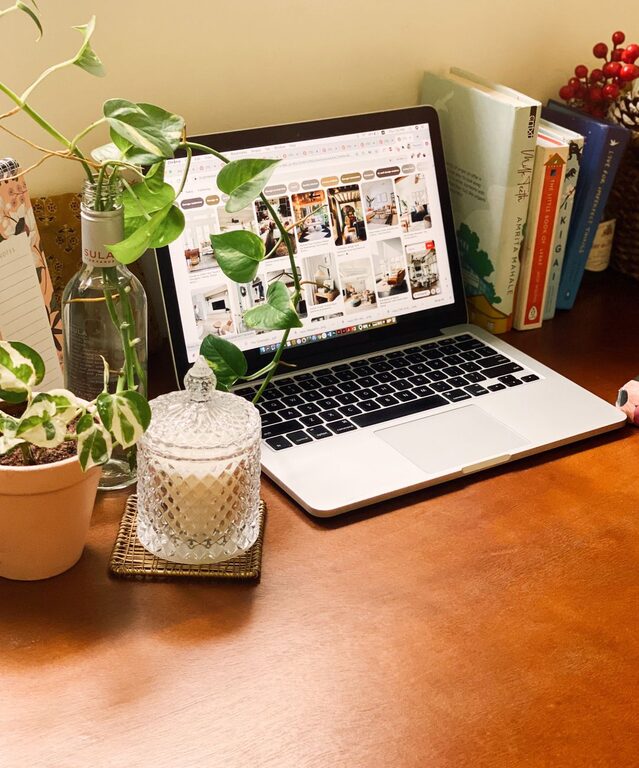
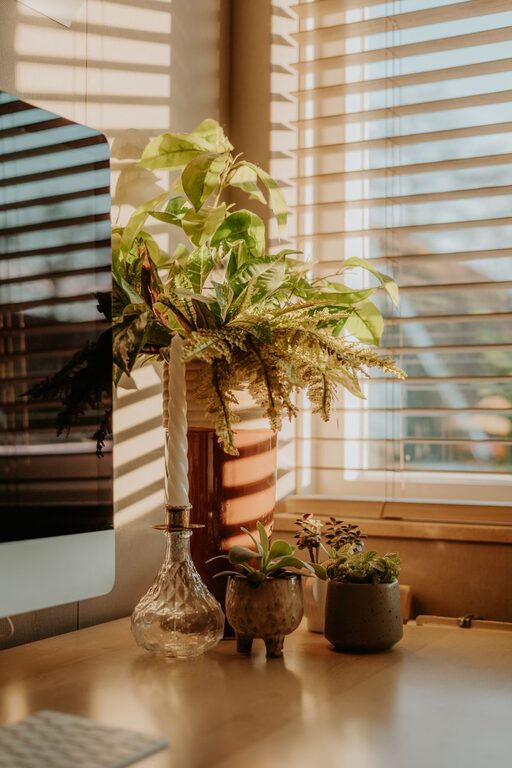
Personalizing your office can make it feel inviting without becoming distracting. Add elements that bring you joy and comfort, such as a small plant, artwork, or meaningful photos.
Plants are especially beneficial as they improve air quality and add a touch of nature, which can reduce stress. Choose low-maintenance plants like succulents or spider plants if you don’t have a green thumb.
Decorate with calming colors like soft blues, greens, or neutrals to create a soothing atmosphere.
Manage Noise Levels
Noise can be a major distraction, so consider ways to reduce unwanted sounds. Use noise-cancelling headphones or play soft background music or nature sounds to mask disruptive noises.
Rugs, curtains, and upholstered furniture can also help absorb sound and improve acoustics.
If outside noise is a problem, look into weatherstripping or acoustic panels to reduce sound from windows or walls.
Incorporate Movement and Break Areas
Encourage regular movement to avoid stiffness and fatigue. Set up a small area for stretching or simple exercises, or take short breaks to walk around your home.
If space allows, designate a comfortable chair or corner for breaks or informal reading. Moving away from your desk during breaks helps refresh your mind and maintain focus when you return.
Use Technology Wisely
Technology can improve efficiency but also lead to distractions. Keep your cables organized with clips or sleeves to avoid a messy workspace.
Consider apps that promote focus and block distracting websites during work hours. Using wireless devices reduces clutter and increases flexibility.
Regularly update your equipment and software to ensure smooth performance and reduce technical frustrations.
Maintain a Consistent Routine
Creating a relaxing home office is not just about the physical space; your habits matter too. Set regular working hours and take scheduled breaks to maintain balance.
Starting your day with a quick tidy-up session and ending by organizing your workspace helps your mind associate the area with work and relaxation.
Final Thoughts
Designing a relaxing home office environment takes intentional planning but pays off with greater comfort and productivity. By choosing the right location, investing in comfortable furniture, optimizing lighting, keeping the space organized, and adding personal touches, you can create an inviting workspace that supports your best work. Remember to manage noise, incorporate movement, and use technology thoughtfully to maintain a healthy balance. With these tips, your home office can become a space where focus and relaxation go hand in hand.