
Tips for Creating a Productive Home Office Space
Creating a productive home office space is essential for anyone working remotely or juggling tasks from home. A well-organized and thoughtfully designed workspace can improve focus, reduce stress, and increase your overall efficiency. Whether you have an entire room or a small corner to dedicate to work, the following tips will help you build a comfortable and productive home office.
Choose the Right Location
Selecting the ideal spot for your home office is the first step toward productivity.
– Quiet and Private: Pick a space away from high-traffic areas to minimize distractions.
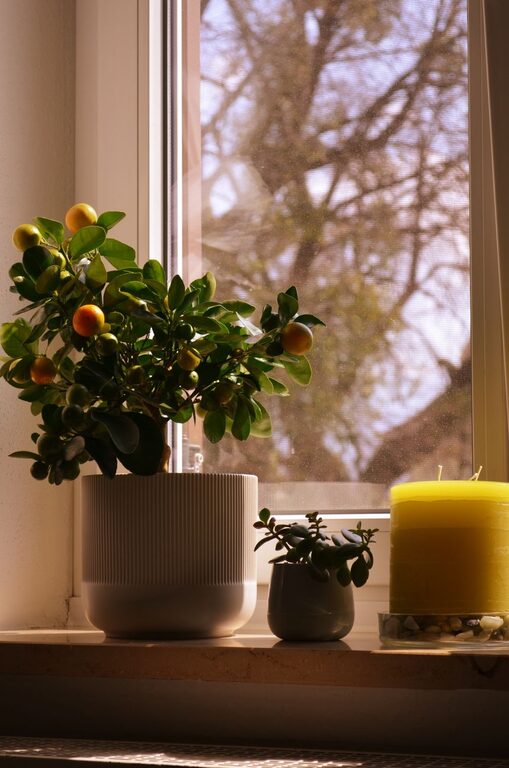
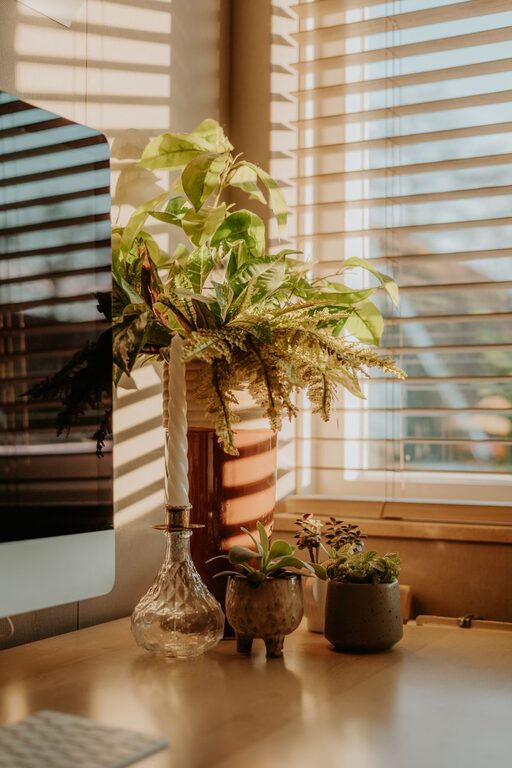
– Natural Light: If possible, position your desk near a window to benefit from natural lighting, which can boost mood and alertness.
– Comfortable Temperature: Ensure the space has good ventilation and is not too hot or cold.
Invest in Ergonomic Furniture
Comfort plays a big role in productivity. Investing in ergonomic furniture can prevent discomfort and health issues.
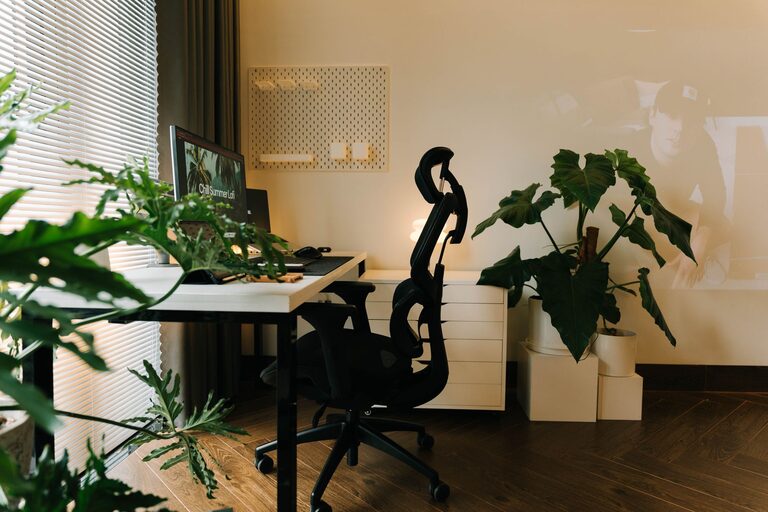
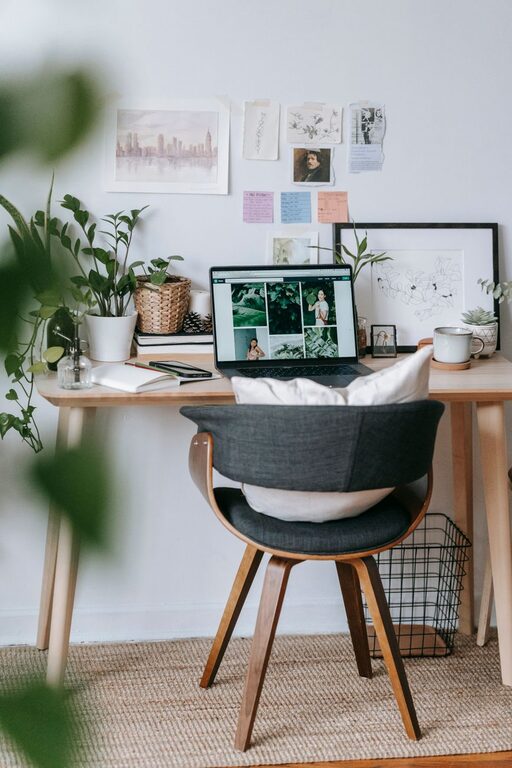
– Ergonomic Chair: Choose a chair that supports your lower back, promotes good posture, and can be adjusted to your height.
– Desk Height: Your desk should be at a height where your forearms are parallel to the floor when typing.
– Standing Desk Option: Alternating between sitting and standing can reduce fatigue and improve circulation.
Organize Your Workspace Efficiently
An organized desk minimizes distractions and saves time.
– Declutter Regularly: Keep only essential items on your desk. Store supplies and documents in drawers or shelves.
– Use Storage Solutions: Bins, file organizers, and drawer dividers help maintain order.
– Cable Management: Use clips or sleeves to keep cords tidy and prevent tangling.
Optimize Lighting
Good lighting is key for reducing eye strain and maintaining focus.
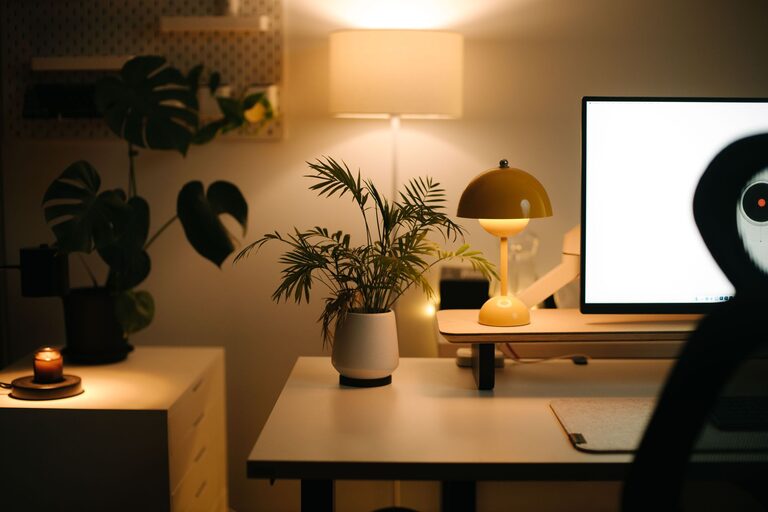
– Combine Sources: Use a mix of natural light and adjustable task lighting.
– Avoid Glare: Position your monitor perpendicular to windows and use curtains or blinds if needed.
– Warm or Cool Light: Choose the light color temperature that feels most comfortable to you, typically between 4000K and 6000K for workspaces.
Personalize Your Space
Adding personal touches can make your office inviting and motivating.
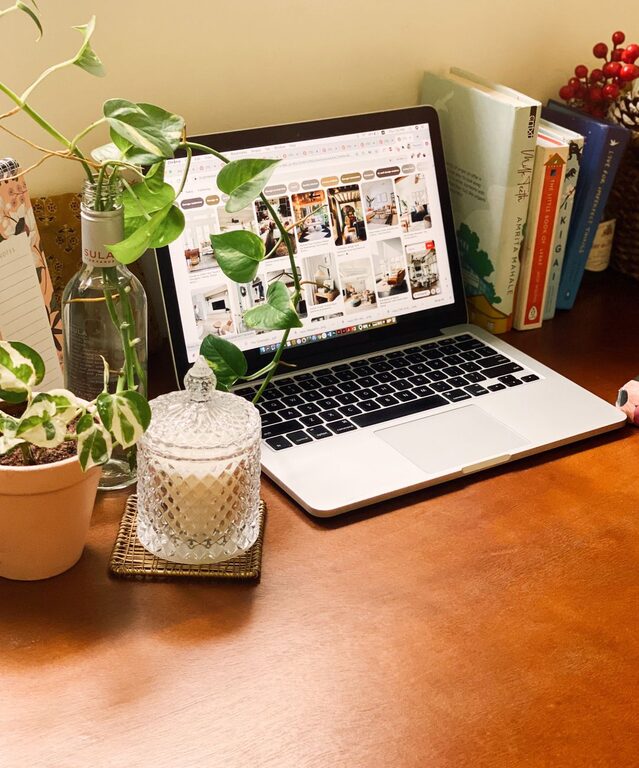
– Inspiring Decor: Artwork, plants, or photos can create a pleasant atmosphere.
– Color Choices: Soft, neutral colors often promote concentration, while vibrant accents can add energy.
– Comfort Items: A cushion, throw blanket, or stress-relief tools can improve your comfort during work hours.
Set Clear Boundaries
Separating work from personal life helps maintain balance.
– Dedicated Work Hours: Stick to a schedule and avoid working beyond set times.
– Defined Workspace: Limit your work activities to your designated area to mentally separate work and relaxation.
– Signage: For shared households, use a “Do Not Disturb” sign to reduce interruptions.
Use Technology Wisely
Technology can both help and hinder productivity.
– Reliable Equipment: Invest in a good computer, fast internet, and necessary peripherals like headphones or printers.
– Productivity Tools: Use apps for task management, note-taking, and time tracking.
– Limit Distractions: Turn off non-essential notifications and consider apps that block distracting websites during work time.
Maintain Regular Breaks and Movement
Taking breaks keeps your mind fresh and body healthy.
– Follow the 20-20-20 Rule: Every 20 minutes, look at something 20 feet away for at least 20 seconds to reduce eye strain.
– Stretch and Move: Stand up and stretch regularly or take short walks to boost circulation and reduce fatigue.
– Hydrate and Eat Well: Keep water nearby and eat healthy snacks to maintain energy levels.
Keep Your Workspace Clean
A clean environment promotes mental clarity.
– Daily Tidy-Up: Spend a few minutes at the end of each day tidying your desk.
– Weekly Clean: Dust surfaces, wipe your keyboard and mouse, and vacuum the area regularly.
– Sanitize Devices: Especially important for devices you frequently touch.
Adjust and Evolve Your Space
Your home office should grow with your needs.
– Regular Assessment: Reflect on what’s working or not and make necessary changes.
– Stay Flexible: Don’t hesitate to try new layouts or tools to improve your workflow.
– Seek Feedback: If sharing your space, discuss adjustments with others to ensure everyone’s comfort.
—
By carefully designing your home office with these tips in mind, you can create a space that not only supports your work but also enhances your well-being. Remember that productivity often comes from comfort, organization, and maintaining a healthy work routine. Happy working!