

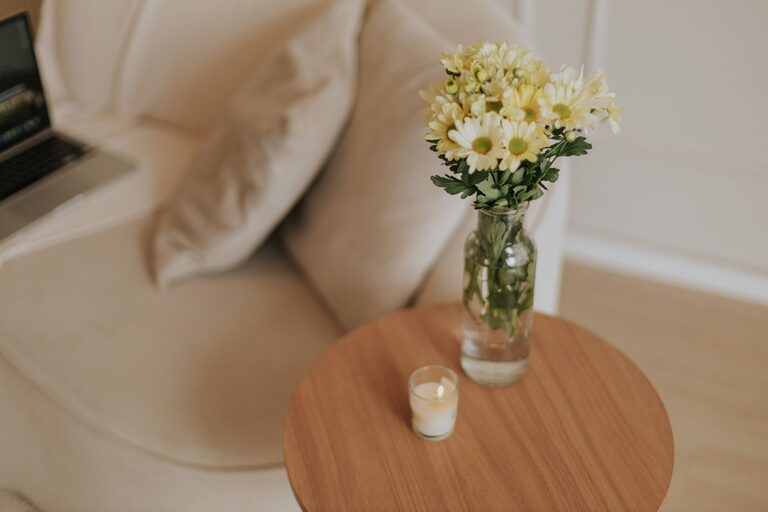
Tips for Creating a Cozy and Inviting Home Office Space
Creating a cozy and inviting home office can make a big difference in how enjoyable and productive your workdays are. Whether you spend hours working from home or just need a quiet spot for occasional tasks, designing a comfortable space that inspires focus and relaxation is essential. In this post, we’ll walk through practical tips to help you set up a home office that feels both welcoming and efficient.
Why a Cozy Home Office Matters
A well-designed home office can improve your mood, concentration, and overall work performance. When your workspace feels inviting, it’s easier to stay motivated and maintain a healthy work-life balance. On the flip side, a cluttered or uncomfortable environment can cause distraction and fatigue.
Step 1: Choose the Right Location
Pick a spot in your home that suits your work needs. Ideally, select a quiet area with natural light to reduce eye strain and uplift your mood.
– Consider privacy: A space away from high-traffic areas reduces noise and interruptions.
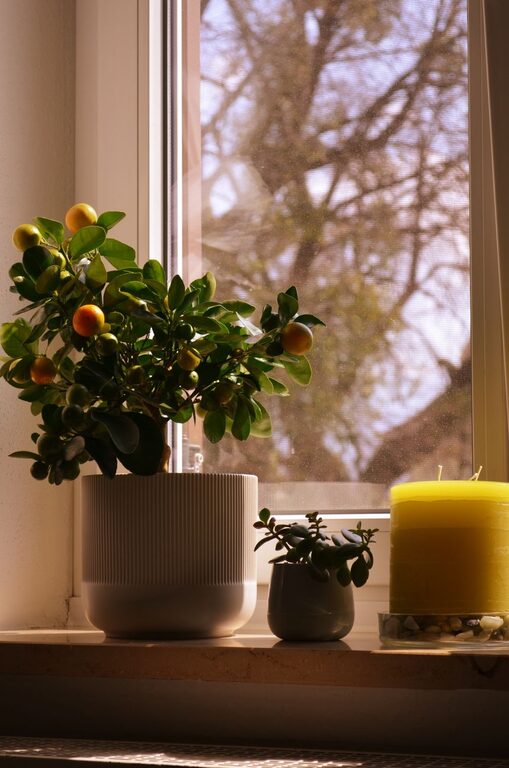
– Natural light: Set up near a window when possible to enjoy daylight and fresh air.
– Space: Make sure there’s enough room for your desk, chair, and any necessary equipment.
Step 2: Invest in Comfortable Furniture
Comfort is key for productivity. Your desk and chair should support good posture and prevent discomfort during long hours.
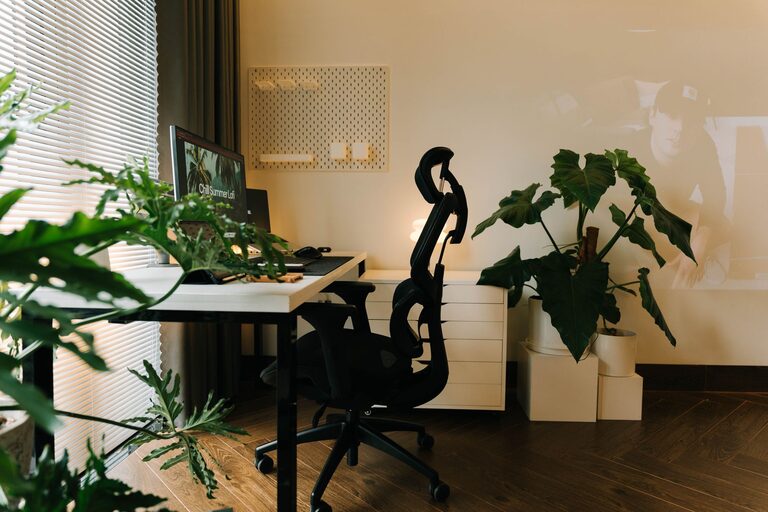
– Ergonomic chair: Look for adjustable chairs with lumbar support to protect your back.
– Desk height: Choose a desk that fits your height or is adjustable to prevent strain.
– Additional furniture: Consider shelves or filing cabinets to keep things organized and within reach.
Step 3: Personalize Your Space
Incorporate items that make the space feel uniquely yours. Personal touches can boost positivity and make work more enjoyable.
– Artwork or photos: Hang pieces that inspire or relax you.
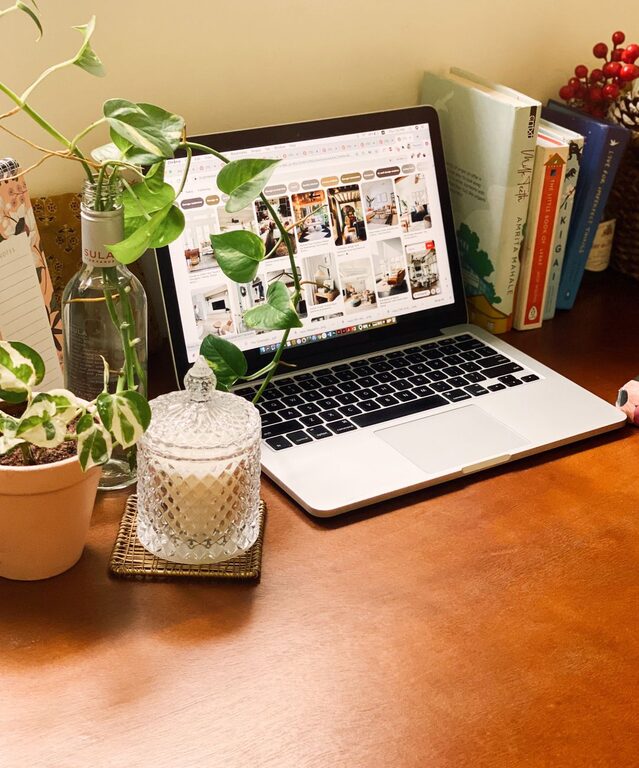
– Plants: Adding greenery improves air quality and adds a calming vibe.
– Favorite colors: Use cushions, rugs, or desk accessories in colors you love.
Step 4: Manage Lighting Wisely
Good lighting prevents eye fatigue and sets the mood.
– Natural light: Maximize daylight by keeping windows unobstructed.
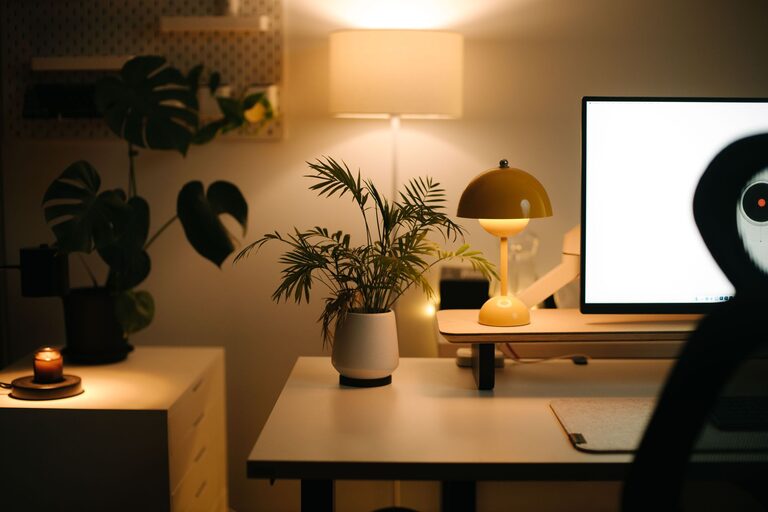
– Task lighting: Use a desk lamp with adjustable brightness for focused work.
– Ambient lighting: Soft overhead or floor lamps create a warm atmosphere.
Step 5: Organize and Declutter
A tidy workspace minimizes distractions and helps you find what you need quickly.
– Storage solutions: Use bins, baskets, or drawer organizers to keep supplies neat.
– Cable management: Use clips or sleeves to prevent cords from tangling.
– Daily cleanup: Take a few minutes each day to clear papers and reset your desk.
Step 6: Incorporate Technology Thoughtfully
Use technology to enhance your workflow, but avoid overloading the space.
– Essential devices: Keep only the gadgets necessary for your tasks.
– Wireless options: Wireless keyboards, mice, or headphones reduce clutter.
– Charging station: Create a dedicated spot to charge devices without crowding the desk.
Step 7: Add Cozy Textiles and Scents
Soft textures and pleasant scents contribute to comfort and relaxation.
– Rugs and cushions: Use these to soften floors and chairs.
– Blankets: Keep a throw nearby for chilly days.
– Scented candles or diffusers: Choose mild scents like lavender or citrus to refresh the space.
Step 8: Create Zones for Different Activities
If space allows, designate areas within your office for different tasks to help your brain switch gears easily.
– Work zone: Main desk area for computer and paperwork.
– Reading nook: A comfortable chair with good lighting for focused reading.
– Creative spot: A small table or wall space for brainstorming or drawing.
Step 9: Keep the Room Well-Ventilated and Clean
Fresh air and cleanliness are important for your health and focus.
– Ventilation: Open windows regularly or use a fan or air purifier.
– Regular cleaning: Dust and vacuum to maintain a fresh environment.
Final Thoughts
Designing a cozy and inviting home office is about finding the right balance between comfort, functionality, and personal style. By taking these steps, you’ll create a space that not only looks good but also supports your work habits and well-being. Start small, experiment with different elements, and adjust as you learn what works best for you. Your ideal workspace is just a few thoughtful changes away!